

Carbon Dioxide explained
Carbon dioxide (CO₂) is an essential gas that is found naturally in the atmosphere.
It is crucial for plants that use it for photosynthesis. And it's a vital greenhouse gas that traps the heat from the sun in earth's atmosphere, acting like a blanket that keeps our planet warm enough for life. This is called the greenhouse effect.
Greenhouse effect - the blanket
-

As the sun shines, the light passes through the atmosphere to the surface of Earth. Some of the light is reflected back into the space (yellow arrow). But some of it becomes heat, which the greenhouse gases, like CO₂, absorb and redirect back to Earth (red arrow). This effect is essential to any life on our planet. It becomes problematic when atmospheric CO₂ concentrations rise beyond natural levels due to human activity.

CO₂ level highest recorded
-

Until the Industrial Revolution in 1750 the amount of CO₂ in the atmosphere (blue line) had stayed the same for hundreds of thousands of years. But since then, the amount has increased by over 50% along with human emissions (gray line) - from 280 parts per million (ppm) to over 425 ppm. This is the highest level in human history. Global annual emissions from burning fossil fuels remain at historically high levels and continue to increase.

Fossil fuels drive CO₂ levels up
-

Fossil fuels – coal, oil and gas – are the largest contributors to the increasing CO₂ levels, accounting for almost 90 per cent of all CO₂ emissions. The annual emissions from burning fossil fuels continue to grow at an increasing pace.
The diagram above shows how emissions in each sector (left) can be allocated to specific end-uses (middle) and greenhouse gases (right).
Almost one third of all the global emissions come from electricity and heating, with residential buildings accounting for 7.5% of it. This is followed by transportation, manufacturing and construction (largely cement and similar materials), and agriculture.
Learn more at World Resource Institute

Excess CO₂ warms the planet
As CO₂ concentrations rise, more heat is retained in the climate system - the blanket is now too thick and it's getting hot. Our planet is warming faster than at any point in recorded history.
Climate scientists at IPCC have shown that human activity is the main cause of global warming over the last 200 years.
Temperatures hit records, too
-

2024 was the warmest year ever recorded, at about 1.55°C above pre-industrial levels, and the 2023–2025 three-year average exceeded 1.5°C for the first time. The collective Paris Agreement goal to limit global warming to well below 2°C is at risk, and the more ambitious 1.5°C target is widely considered out of reach. Current mitigation efforts remain insufficient to meet agreed climate targets. We experience the effects in our daily lives - intensified storms, floods, heatwaves, droughts and wildfires.

Risks are growing rapidly
-

As the climate continues to warm, the risks grow rapidly. The warmer temperatures change the weather patterns and intensify the weather events. Scientists warn about the climate tipping points - critical thresholds where parts of the Earth system can shift suddenly and irreversibly. These include melting ice sheets, thawing permafrost, loss of major forests and changes to ocean circulation. Crossing these tipping points would significantly increase risks to ecosystems, societies, and human well-being.
Learn more on Wikipedia

TED talk on tipping points - Johan Rockström (18:35)
Why carbon removal is necessary
Climate science indicates that durable carbon removal is required at scale alongside emission reductions to physically remove the CO₂ from the atmosphere and to achieve long-term climate stabilisation.
Oxford Offsetting Principles highlight four key actions:
- Prioritise real reductions first - reduce fossil-fuel emissions at the source
- Shift from short-term offsets to long-lived carbon removal - move toward durable removal solutions that lock CO₂ away for decades to centuries.
- Support methods that store carbon durably - approaches like biochar, mineralisation, long-lived biomass products or engineered removals.
- Align all offsetting with a long-term pathway to zero emissions - temporary offsets are not enough.
Remove Carbon Today focuses exclusively on certified, durable, ex-post carbon removal for individuals.
Learn more of Oxford Offsetting Principles
Recommended resources
BBC - A very simple guide to climate change
NASA - The Causes of Climate Change
NOAA - Climate change: atmospheric carbon dioxide
IPCC - Intergovernmental Panel on Climate Change
WMO - World Meteorological Organization
EU - Climate
Videos on YouTube:
What Makes Carbon so Important for Life? (3:51)
TED talk on tipping points (18:35)
TED talk on carbon removals (12:38)
How can I contribute
Now you can take responsibility for your unavoidable CO₂ emissions and physically lock CO₂ away for good.
Your easy steps to remove carbon:
🍀 You choose the amount to remove - from kilograms to lifetime
🍀 You choose the pace - one-time or recurring
🍀 You complete your purchase - check out with preferred payment method
🍀 We confirm your order - immediately after purchase
🍀 We source certified, durable removal - from our removal partners
🍀 We retire your removal - within one month of purchase
🍀 You receive proof - a link to your retirement at public registry
Our Commitment
Your carbon removal with Remove Carbon Today is:
✅ Already Secured (ex-post) - no future promises, no delivery risk
✅ Independently Certified (Puro.earth) - no vague claims
✅ Truly Additional - no business-as-usual
✅ Durable for Centuries - no significant risk of reversal
✅ Traceable in Public Registry - no double-counting
✅ Proven in one month - no second-guessing
✅ Transparently priced - no hidden markup (see our cost breakdown)
✅ Built for individuals - no paperwork, no waiting
We commit to being worthy of your trust. If you have questions or concerns at any time, please contact us and we'll solve it together.
Common carbon removal choices
-

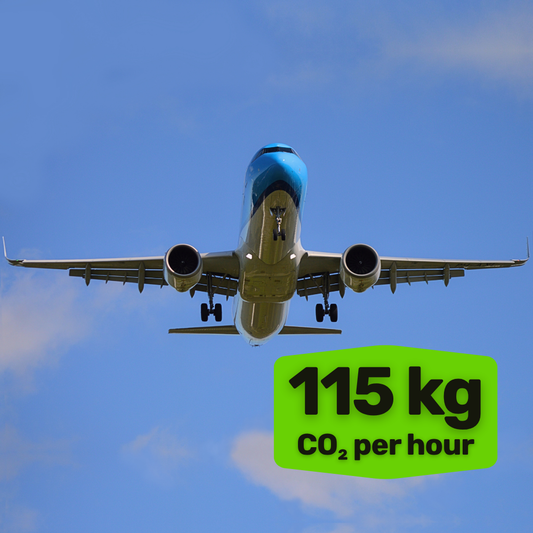
Flight Carbon Removal
115 kg of CO₂ per hour in economy
Flight Carbon Removal
115 kg of CO₂ per hour in economy
Regular price €23,00Regular priceUnit price per -

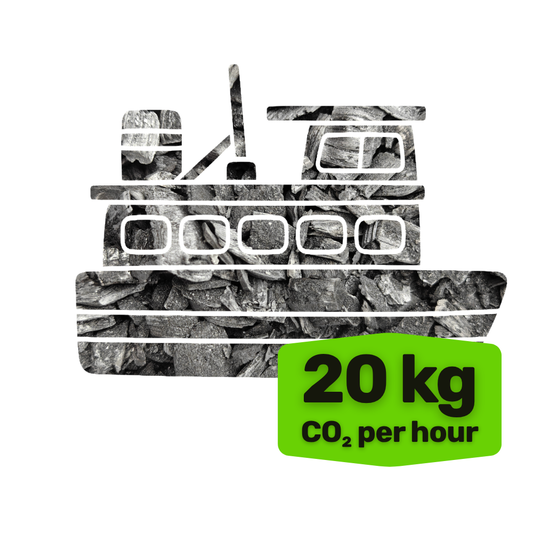
Ferry Carbon Removal
20 kg of CO₂ per hour
Ferry Carbon Removal
20 kg of CO₂ per hour
Regular price €3,95Regular priceUnit price per -

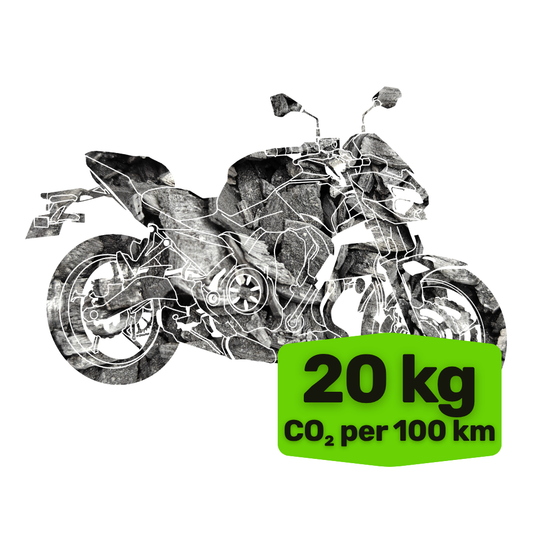
Motorcycle Riding Carbon Removal
20 kg per 100 km on motorcycle
Motorcycle Riding Carbon Removal
20 kg per 100 km on motorcycle
Regular price €3,95Regular priceUnit price per -
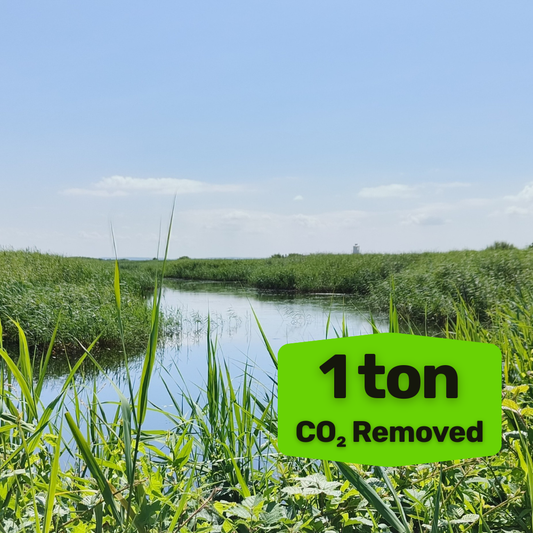

1 tonne of Carbon Removal
Customise in 1 tonne units
1 tonne of Carbon Removal
Customise in 1 tonne units
Regular price €198,00Regular priceUnit price per


