

What is a carbon footprint?
Carbon footprint is a simple way to calculate the climate pollution caused by your lifestyle over a year.
It is based on how you heat or cool your home, how you move from one place to another, what you eat and what products you buy and use.
A carbon footprint is measured in metric tonnes of CO₂-equivalent (CO₂e) and represents the greenhouse gas emissions released into the atmosphere each year as a result of your activities.
Video explaining carbon footprint (2:00)
The simplest path for individuals
For individuals addressing their personal carbon footprint, the scientifically accepted approach follows three steps:
1. Measure your personal CO₂ emissions
2. Reduce what you can through lifestyle and energy choices
3. Remove your unavoidable emissions using certified, durable carbon removal
Average annual footprints
Your footprint depends a lot on where you live and how you live.
The global average carbon footprint is around 5 tonnes of CO₂ per person per year, though estimates vary by methodology.
The long-term global goal is to reduce average emissions to under 2 tonnes per person to align with climate stabilisation targets.
Average annual footprints around the world:
15-20 tonnes in North America
6-10 tonnes in Europe
7-9 tonnes in China
2-3 tonnes in India
1-2 tonnes in Sub-Saharan Africa
Links to country-specific lists:
World Population Review - Carbon Footprint by Country
Global Economy - CO₂ emissions per capita
Wikipedia - List of countries by CO₂ emissions per capita
What adds up to my footprint?
-
Home
heating, cooling, electricity, hot water
-
Travel
flights, car, public transport
-
Food
meat and dairy, and ways of production
-
Stuff
clothes, electronics, furniture, and more
Practical examples and average estimates of emission amounts
-
10 kg roughly removes:
- 35 cups of black coffee
- 2 hours on a walk-on ferry
- One sleeveless cotton shirt
- Eating 1-2 chicken meals
- Sending 12,000 emails
-
100 kg roughly removes:
- 5 hamburger meals with sides
- 350 km on a petrol/diesel car
- Emissions of a new smartphone
- New t-shirt, hoodie, jeans and shoes
- Streaming video for 200–300 hours
-
1 tonne roughly removes:
- 6 months of mixed diet
- 8-9 hours of flying
- Year of laundry in a large household
- 25–30 hotel nights
- Part of annual carbon footprint
-
10 tonnes roughly removes:
- Average annual footprint in Europe
- Half of annual footprint in the US
- Producing 2.5 tonnes of plastic
- Producing 1,000 kg of beef
- Producing 2,000–2,500 kg of rice
Where can I calculate my footprint?
-
United States
-
United Kingdom
-
Europe

Carbon footprint removed for good
Burning fossil fuels accumulates CO₂ in the atmosphere and our nature cannot absorb it all. But some of our CO₂ waste just cannot be avoided.
With Remove Carbon Today, you can take responsibility for your unavoidable emissions and remove CO₂ through science-based, certified carbon removal methods, like biochar, that lock CO₂ away for centuries and help limit global warming.
So how much should I remove?
There is no single number that fits everyone - but there are clear, practical ways for individuals to approach carbon removal.
Once you have measured your carbon footprint and reduced what you reasonably can, carbon removal is about addressing the remaining emissions that are hard or impossible to eliminate today. These residual emissions are different for everyone and depend on lifestyle, location, and personal choices.
A helpful way to think about it is to focus on:
- The part of your footprint that remains after reductions
- How you want to take responsibility for those emissions
- What feels realistic and sustainable for you
In practice, individuals tend to choose one of three common paths:
- Remove specific emissions
Some people start by removing emissions from specific activities or purchases, for example a flight, a month of commuting, daily coffee, or a new product like clothing or electronics. This approach works well if you want a clear link between actions and removals. - Remove remaining emissions on an ongoing basis (recurring carbon removal)
Others choose a recurring monthly amount to continuously remove an amount equal to their residual emissions over time. This mirrors how emissions occur in everyday life and addresses the unavoidable emissions without delay. - Remove your full remaining footprint
Some individuals choose to remove a larger amount in one go, such as one tonne, their annual footprint, or even their estimated lifetime emissions. This approach fits people who want to take full responsibility and remove their remaining personal emissions without delay.
What matters most is not choosing the smallest possible number, but choosing an amount that reflects your values and turns intent into real, durable, and independently verified impact.
All carbon removal purchased through Remove Carbon Today is certified to physically remove CO₂ from the atmosphere and durably store it for 100+ years, with public registry proof provided within a month of purchase.
Every kilogram counts.
Combine products to match the exact amount of your carbon footprint you want to remove - one-time or monthly. Your carbon will be removed and durably stored by our certified partners and we'll send you proof of completion within a month.
-


100 kg of Carbon Removal
Customise in 100 kg units
100 kg of Carbon Removal
Customise in 100 kg units
Regular price €19,80Regular priceUnit price per -
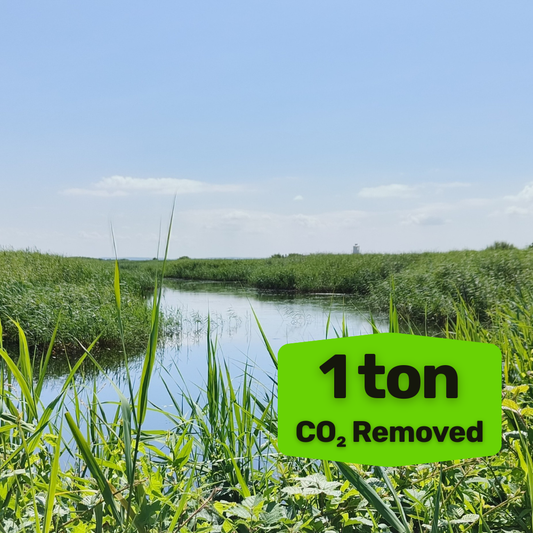

1 tonne of Carbon Removal
Customise in 1 tonne units
1 tonne of Carbon Removal
Customise in 1 tonne units
Regular price €198,00Regular priceUnit price per -
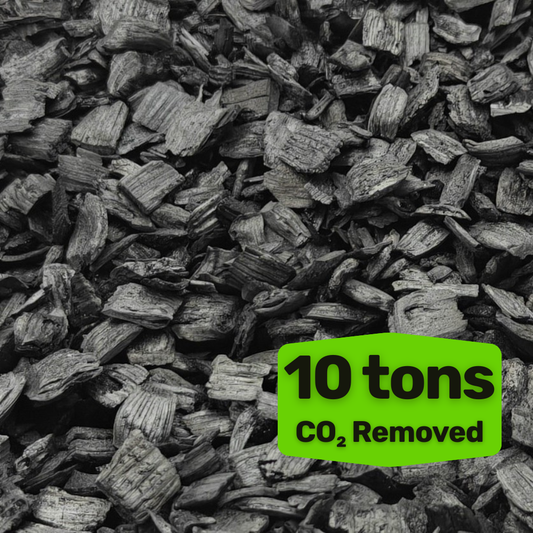

10 tonnes of Carbon Removal
Customise in 10 tonne units
10 tonnes of Carbon Removal
Customise in 10 tonne units
Regular price €1.980,00Regular priceUnit price per -


100 tonnes of Carbon Removal
Customise in 100 tonne units
100 tonnes of Carbon Removal
Customise in 100 tonne units
Regular price €19.800,00Regular priceUnit price per


Common carbon removal choices
-

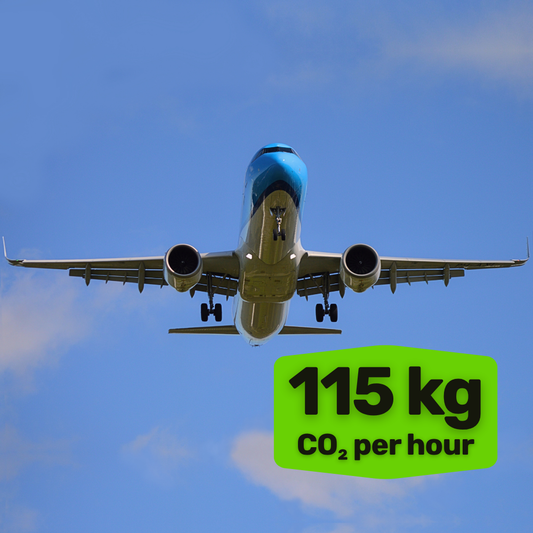
Flight Carbon Removal
115 kg of CO₂ per hour in economy
Flight Carbon Removal
115 kg of CO₂ per hour in economy
Regular price €23,00Regular priceUnit price per -

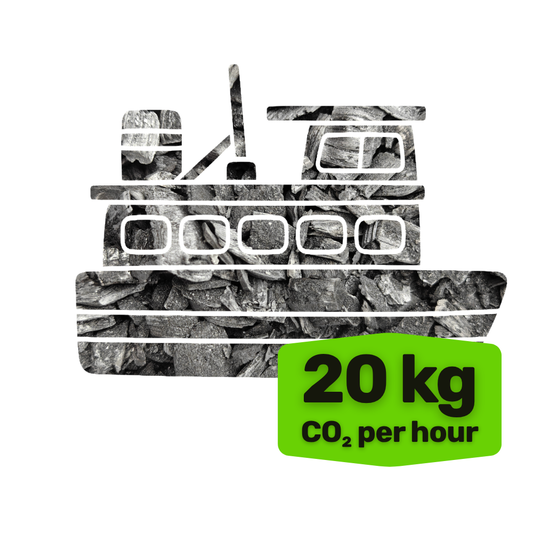
Ferry Carbon Removal
20 kg of CO₂ per hour
Ferry Carbon Removal
20 kg of CO₂ per hour
Regular price €3,95Regular priceUnit price per -

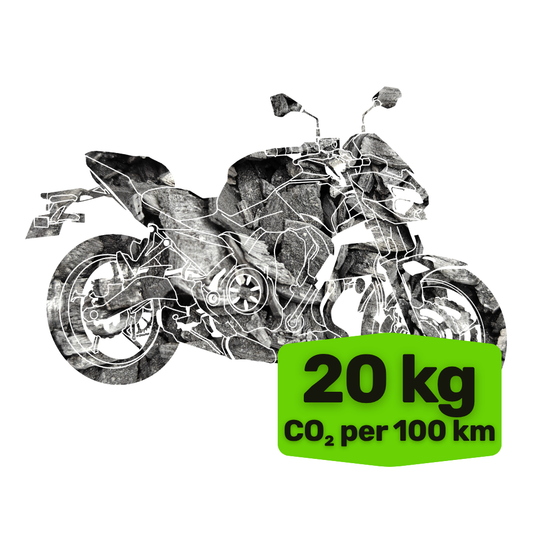
Motorcycle Riding Carbon Removal
20 kg per 100 km on motorcycle
Motorcycle Riding Carbon Removal
20 kg per 100 km on motorcycle
Regular price €3,95Regular priceUnit price per -
1 tonne of Carbon Removal
Customise in 1 tonne units
1 tonne of Carbon Removal
Customise in 1 tonne units
Regular price €198,00Regular priceUnit price per


